Geology
Discover
Your journey begins during a time of tropical seas and curious creatures, when the English Riviera lay south of the Equator.
Follow our timeline to find out how the earth moved, mountains were made and the dinosaurs came and went, leaving clues to the English Riviera’s fascinating past all around us.
-

4,600 million years ago
Formation of the Earth and plate tectonics.
The story begins with the birth of our planet and the slow dance of the continents. -

420–359 million years ago — The Devonian
Tropical seas and the naming of the Devonian Period.
In 1839, fossils found in the limestones at sites in Torbay, such as Lummaton Quarry, helped leading geologists Roderick Murchison and Adam Sedgwick understand what was happening on Earth during this time. Largely through Murchison’s scientific re-interpretation, the period of geological time named the Devonian was proposed and is now used globally to identify rocks and fossils of a similar age. Much of the fossilised stone, massively quarried, can be seen in local buildings and sea walls. -

359–299 million years ago — The Carboniferous
What happened to the Carboniferous?
The whole of the Carboniferous — 64 million years between the Devonian and the Permian — is represented by an irregular boundary, an unconformity. This gap in the rock record is evidence that the rocks laid down during the Carboniferous in Torbay were removed by erosion before the Permian deposits were laid on top. The unconformity is easily accessible at Waterside Cove in Paignton. -

320–300 million years ago
Mountain building.
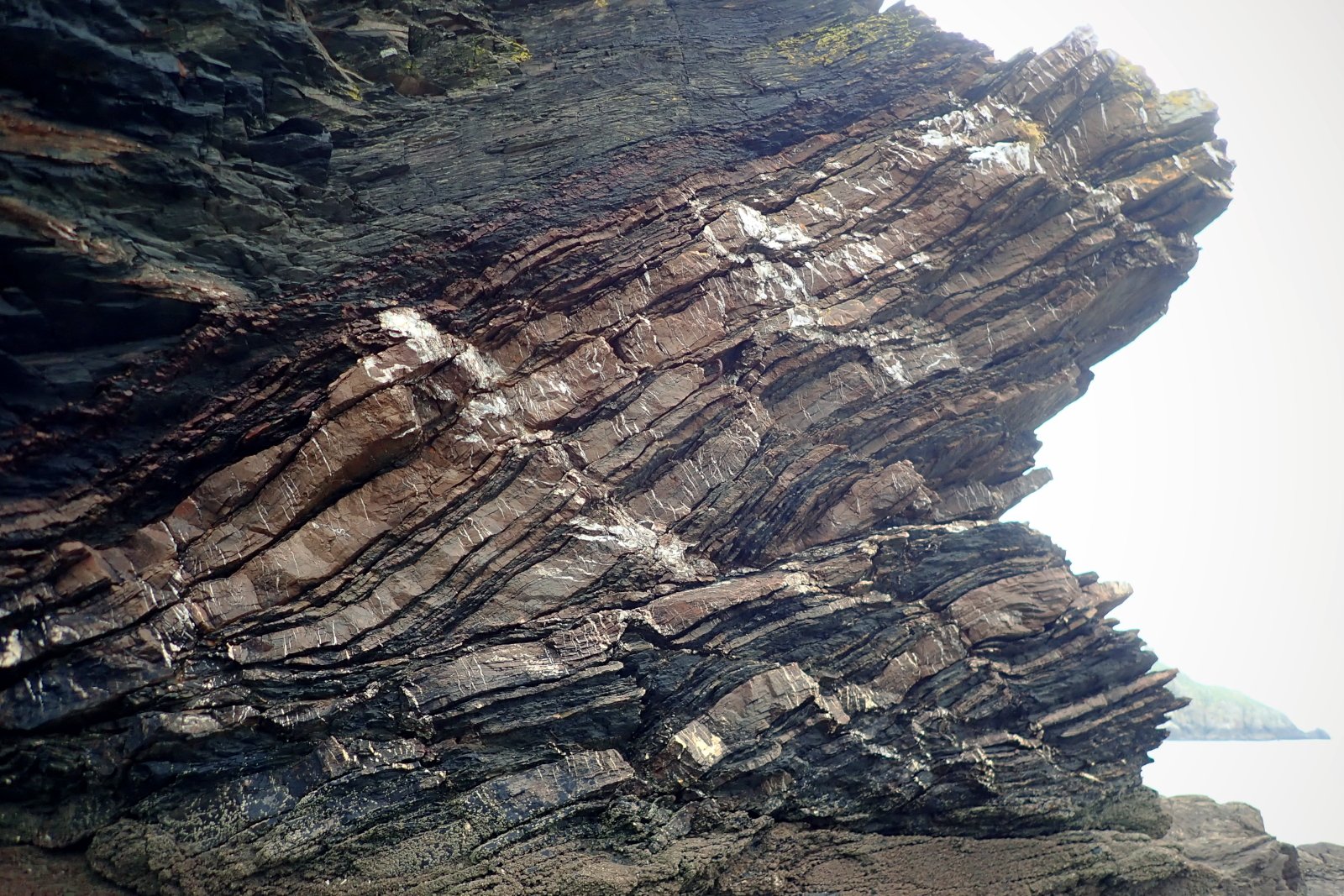
Plate tectonic movements caused areas of land (now known as Africa and Europe) to crash into one another, piling sediments up during the Variscan Orogeny to form a vast mountain chain stretching from eastern North America through Cornwall and Devon to Belgium and beyond. Devonian and Carboniferous sediments were folded and fractured — at Babbacombe they were even turned upside down, and the dark slates at the bottom of the cliff are actually younger than the pale limestones at the top! -
299–252 million years ago — The Permian
Scorching deserts.
Torbay lay around 15–30 degrees north of the equator, sweltering in the intense heat of a desert that covered most of Britain and Europe. Oxidation of the iron in the rocks turned them red — a colour that still stains the soils of south and east Devon today. Extreme storms caused flash floods in the mountains, sweeping stones down desert wadis onto the plain. Near Goodrington, strange burrows in stony wadi deposits may record a primitive reptile’s survival strategy — dig a hole and wait for the cool of the night! -
299–201 million years ago
There’s gold in them there hills!
Low-temperature hydrothermal fluids produced a significant deposit of low-grade iron ore at Brixham and Sharkham Point — mined from 1842 for smelting and anti-corrosion paint. Another suite of fluids formed thin gold- and palladium-bearing veins in the Devonian limestones of Hope’s Nose, the gold characteristically forming small, delicate feather-like crystals. Very rare selenium minerals are also present, making these deposits unique in Britain and possibly Europe. -
66–2.58 million years ago — Paleocene to Pliocene
Erosion and earthquakes.
Any rocks laid down during the Jurassic and Cretaceous were weathered away, though remnant flint deposits are found all over the region and on the beaches. The Alpine Orogeny saw much faulting and fracturing of the rocks — fault lines criss-cross the Bay, and the cliff railway at Babbacombe, built in 1924, utilises a fault line to its advantage. -
The Quaternary — the last 2.58 million years
Ice ages, cave bears and early humans.
Britain was subjected to repeated ice ages divided by warm periods. The warm spells saw hippopotamus munching on abundant vegetation; during the cold periods Torbay experienced tundra conditions. Several caves in the district are famous for their rich deposits of ice age mammal bones — mammoth, woolly rhinoceros, hyena, cave lion, sabre-toothed tiger, cave bear and more — together with human remains and tools dating back nearly 450,000 years. Rising sea levels after the last ice age drowned coastal woodlands, the remains of which can occasionally be seen at low tide.
The three types of rock
Every rock on Earth belongs to one of three families — and you can find all three in the Geopark:
-
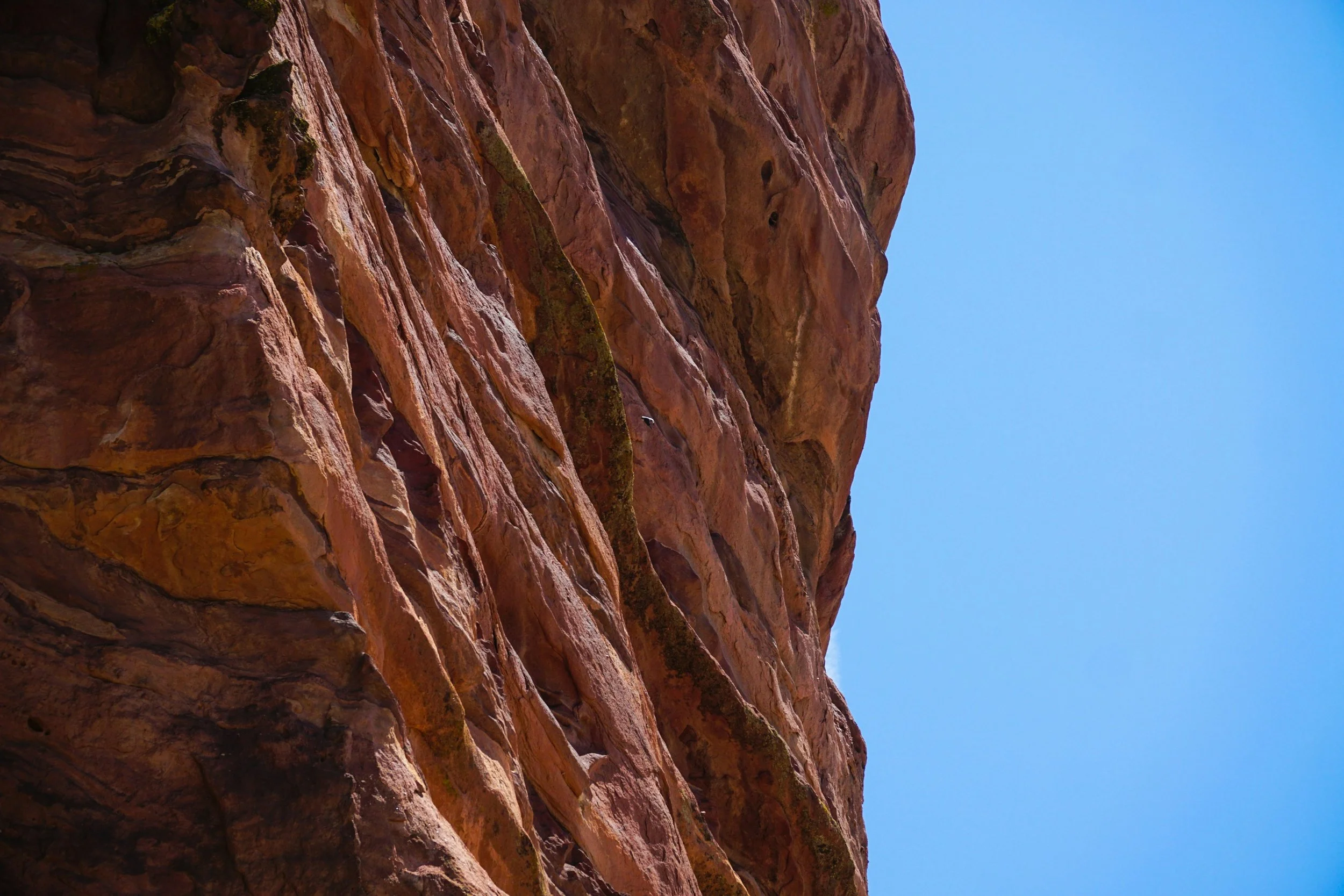
Sedimentary
Sedimentary rocks form when layers of sand, mud or the remains of living things are compressed over millions of years. Most of the Geopark’s famous rocks are sedimentary — the pale Devonian limestones of Torquay and Brixham (built from tropical reefs), and the red Permian sandstones and breccias of Paignton (laid down in a scorching desert).
-
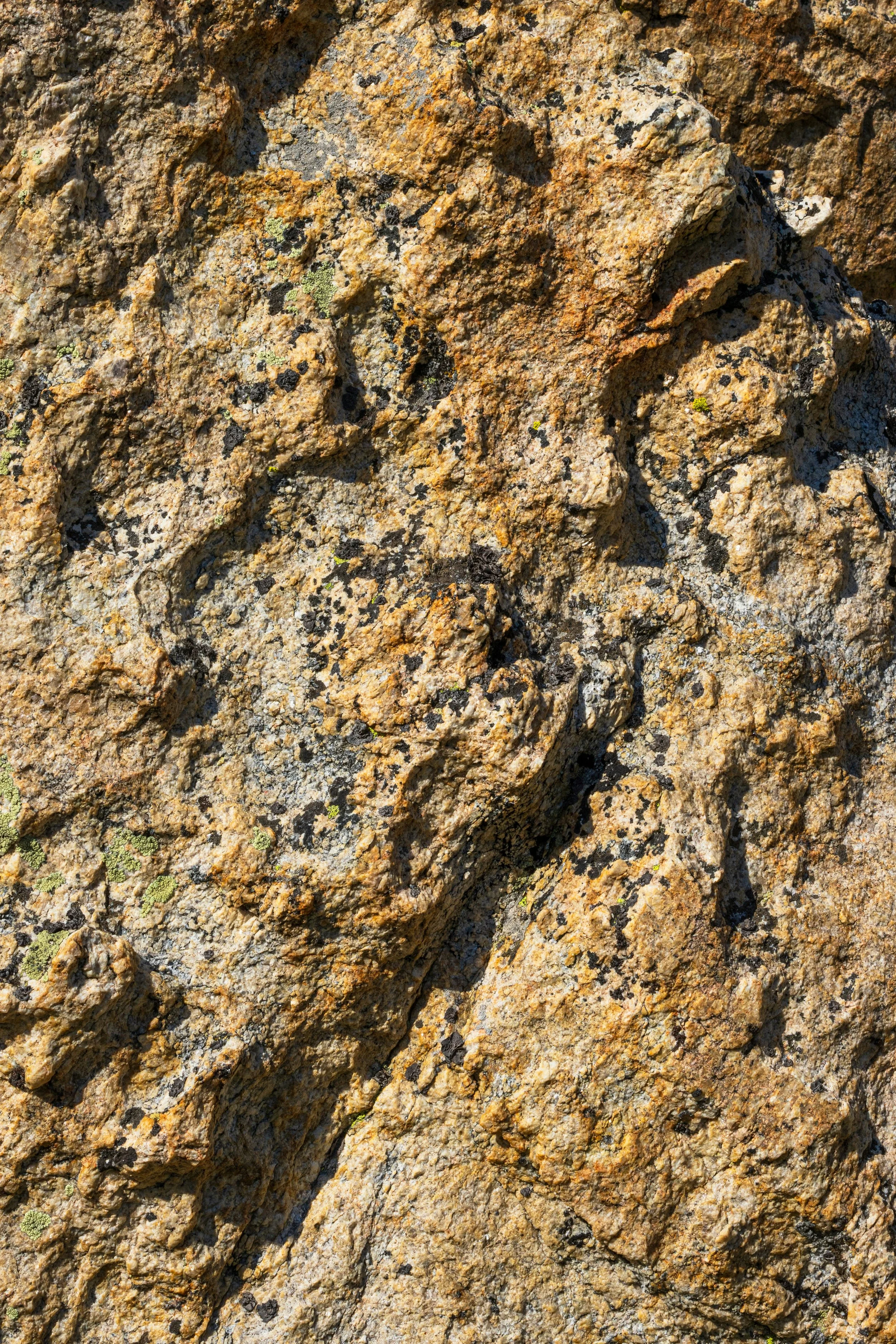
Igneous
Igneous rocks form when molten rock cools and hardens. Torbay’s only significant igneous outcrop is the dark microgabbro (‘dolerite’) between Black Head and Anstey’s Cove, squeezed into the surrounding rocks as magma around 300 million years ago.
-
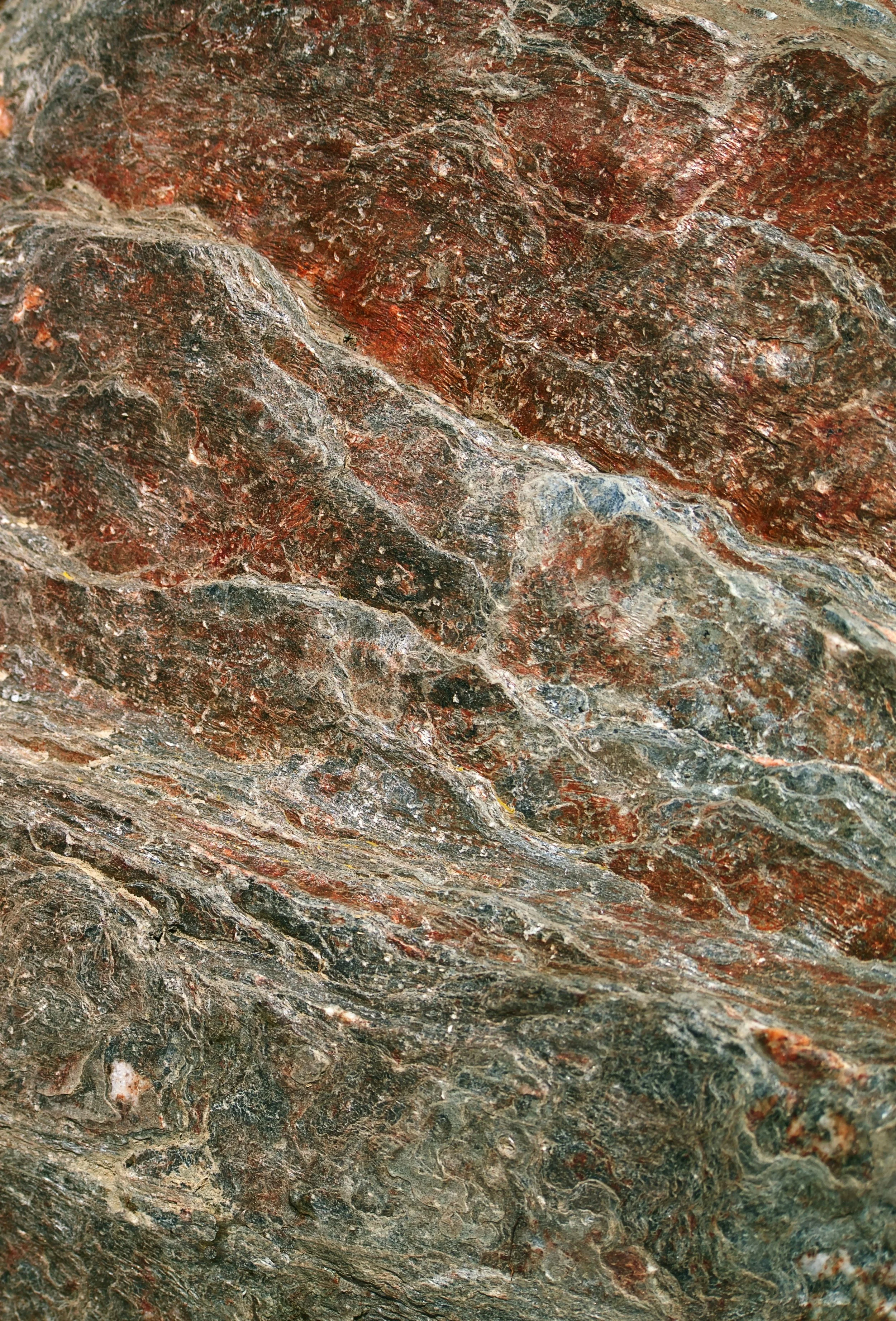
Metamorphic
Metamorphic rocks are existing rocks transformed by heat and pressure. The dark slates seen around the Bay — including in the upside-down cliffs at Babbacombe — began life as seafloor muds before being altered and folded during the Variscan mountain building.
Are you ready to
See for yourself?
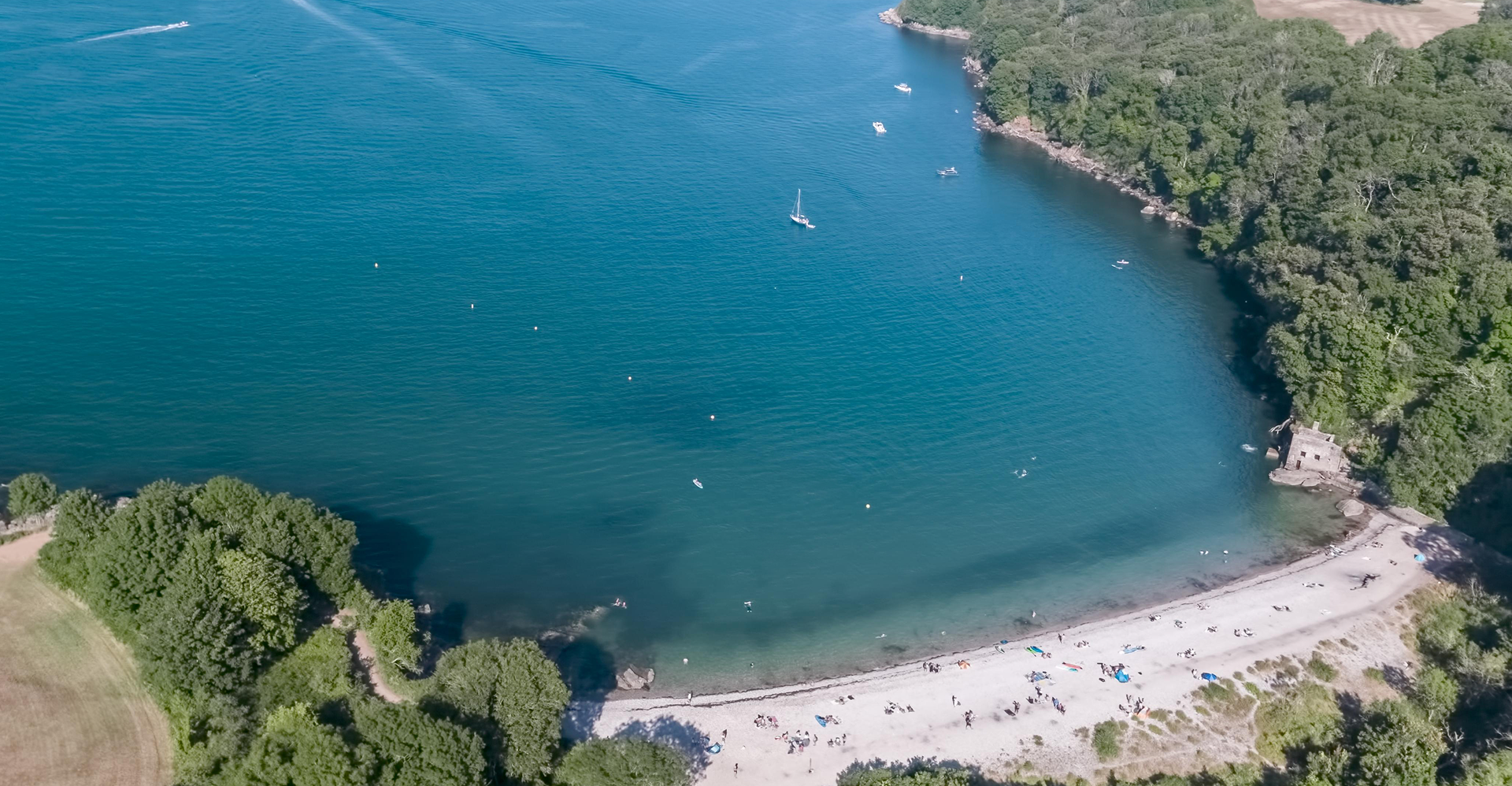
Every chapter of the English Riviera Geopark’s geological story is written in the rocks, caves, cliffs and hidden coves that make up our landscape. Take a look at the 32 GeoSites which give the Geopark its international importance, from the upside-down cliffs at Babbacombe, Torquay, to the desert flood deposits at Roundham Head in Paignton.
Want to dig deeper? Our partners can help you discover more about our geological heritage.