
Intangible
Heritage
Discover
The stories, science and culture this landscape has inspired.

Spirit of Place
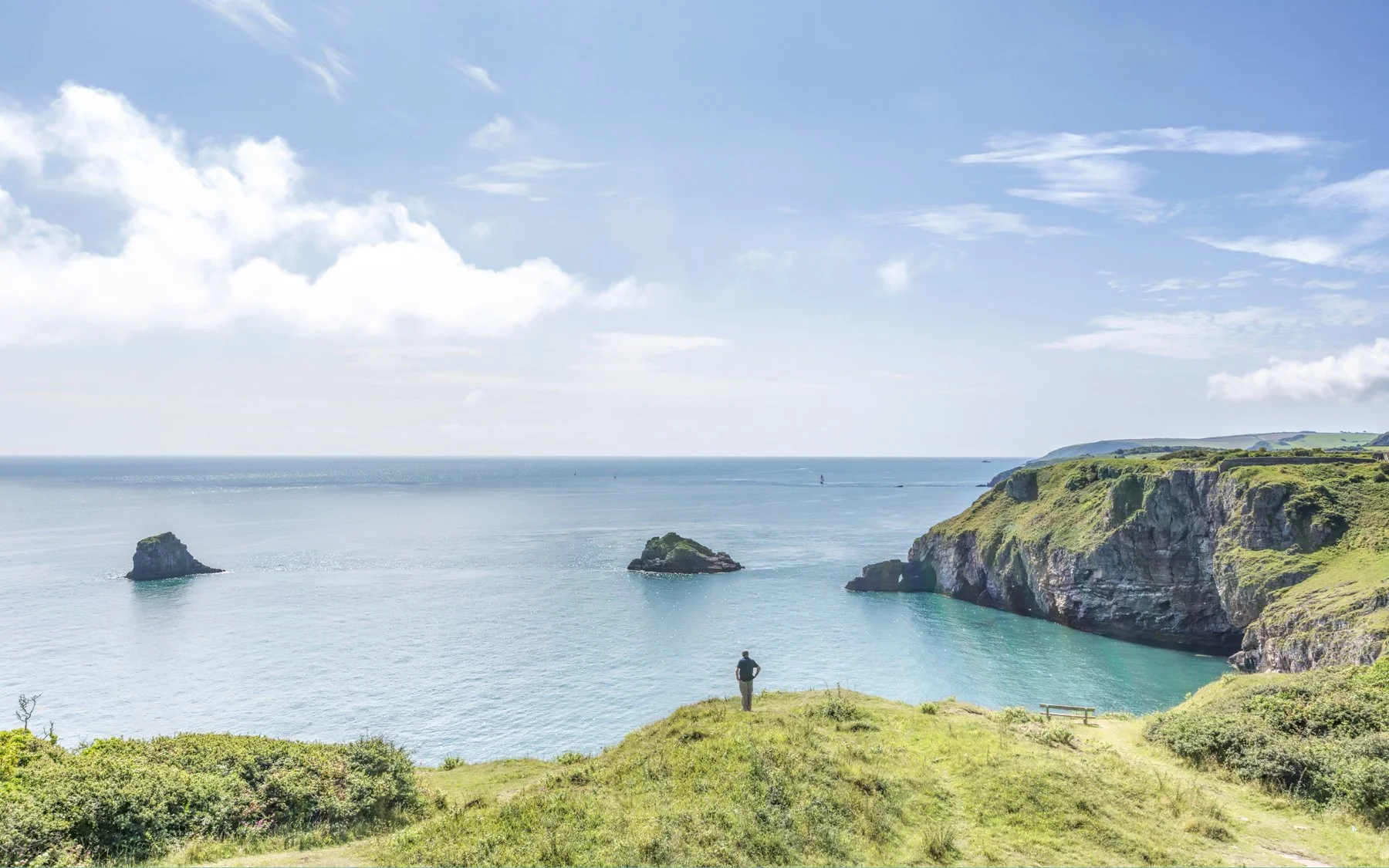
The English Riviera UNESCO Global Geopark has been created over the millennia: it is a place where earth and sea come together, a unification of many worlds and habitats. The ever-changing light and weather patterns across Torbay create an evocative canvas and backdrop to this remarkable place, which contains natural caves that were once home to some of Britain’s first people. It continues to inspire explorers, scientists, writers and artists, alongside pioneering engineering, fishing and farming communities.
Around every cove the geology changes, and so do the worlds within them. The extraordinary landscape and blooming biodiversity that live here are the world’s best teachers: allow yourself to listen to the stories they tell.

Authors inspired by the Geopark
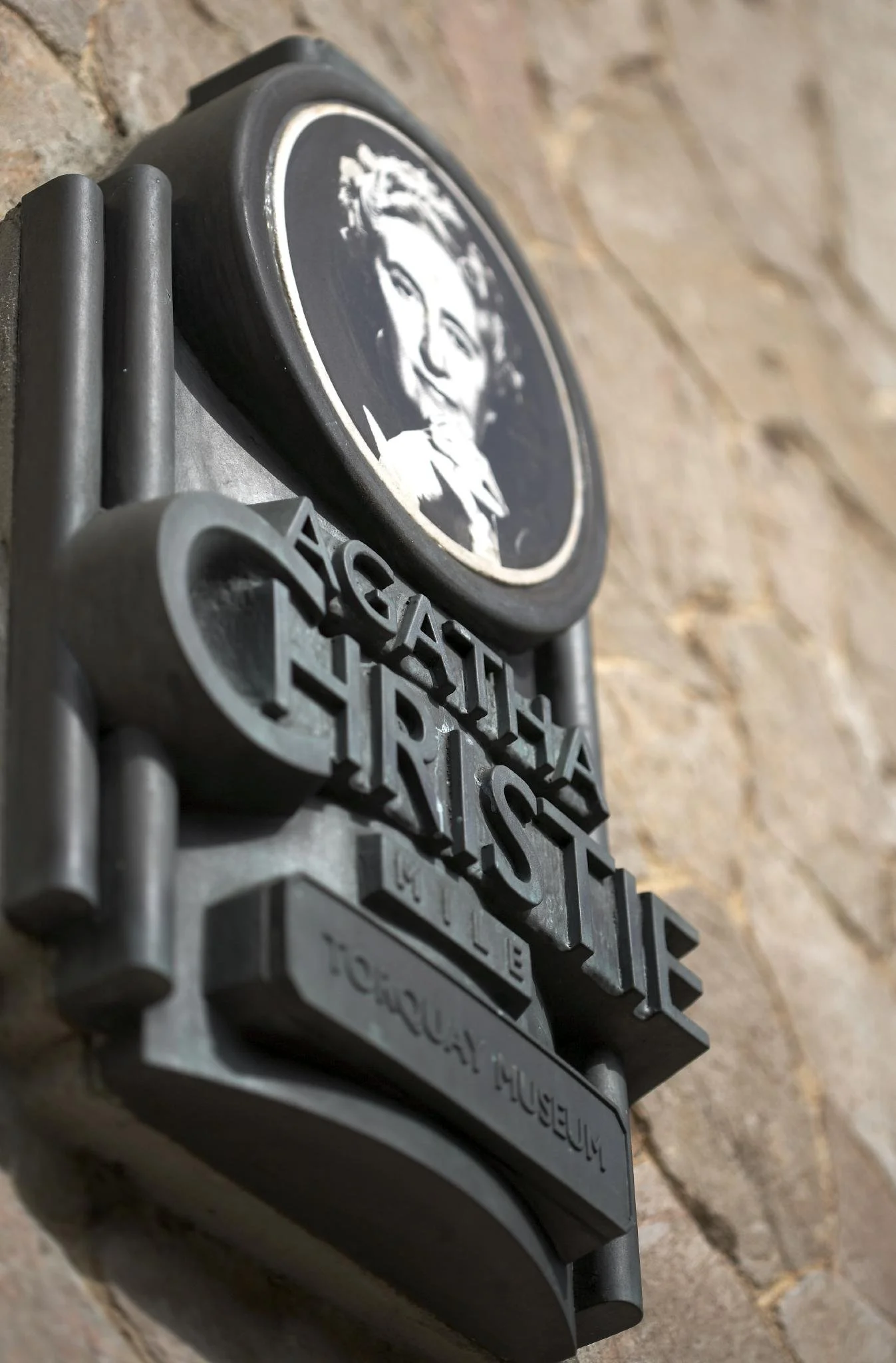
The English Riviera had a great influence on the work of Dame Agatha Christie, the world’s most famous mystery and crime writer, who was born in Torquay and lived much of her life in the area. She famously refers to Kents Cavern in her thriller The Man in the Brown Suit. In Torquay, the Agatha Christie Mile leads around the seafront, featuring locations linked with her life, each marked with a plaque — including the only bust in the world of the most published author of all time.
Beatrix Potter visited Kents Cavern in 1893, the year she wrote the Peter Rabbit letters — did she find the inspiration for Mrs Tiggywinkle’s underground home there? Other literary connections include Charles Kingsley (The Water Babies), Flora Thompson (Lark Rise), Rudyard Kipling and Elizabeth Barrett Browning.
The Darwin connection
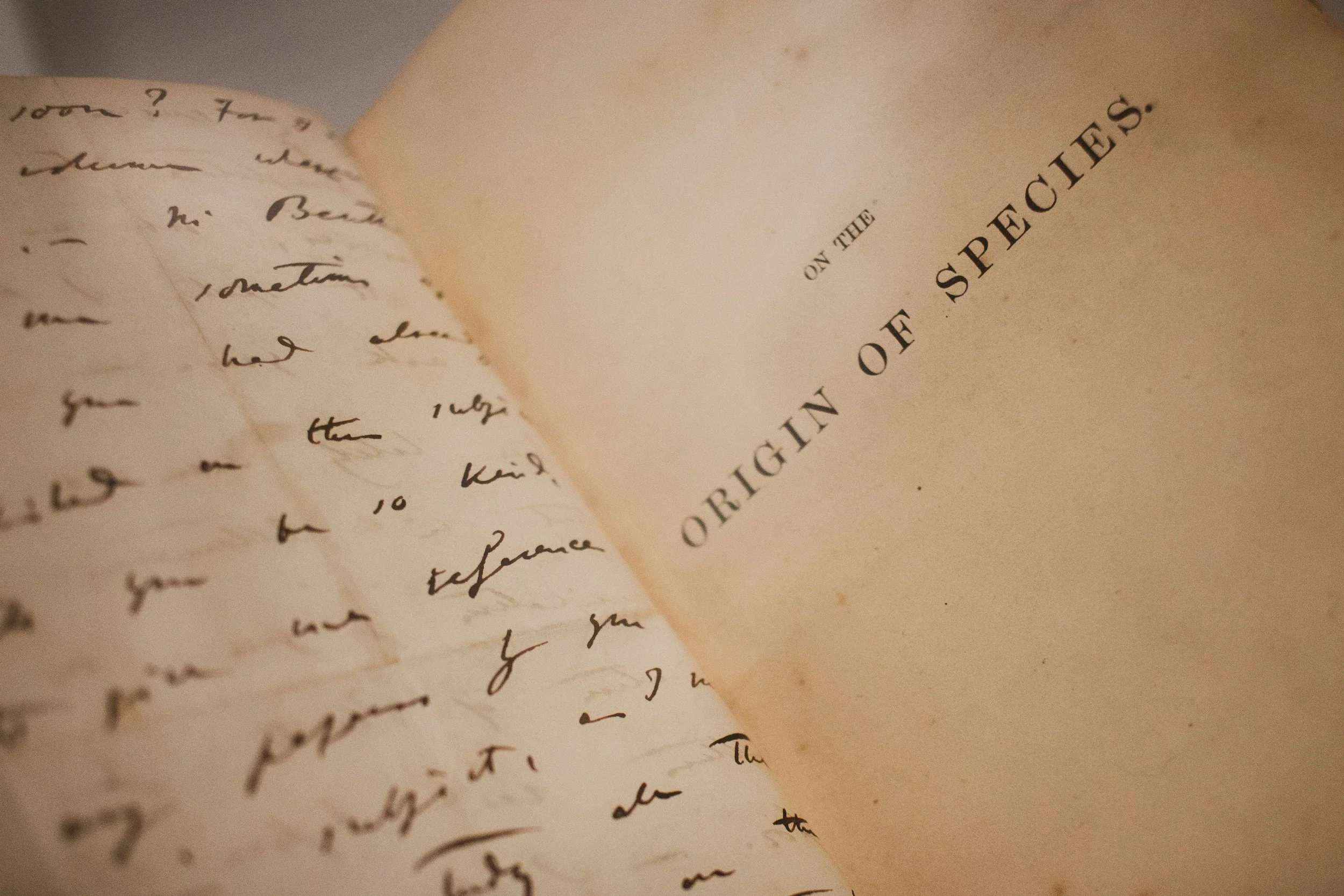
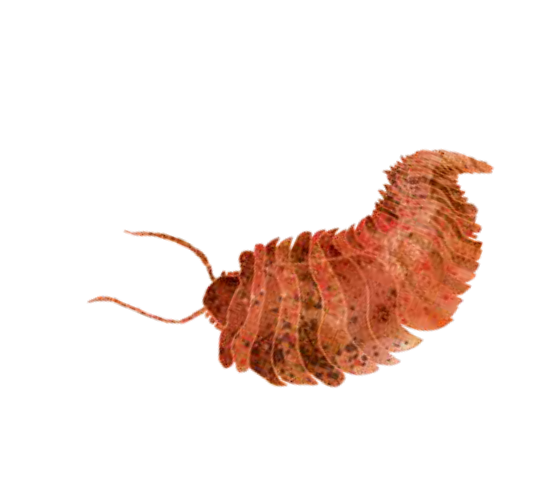
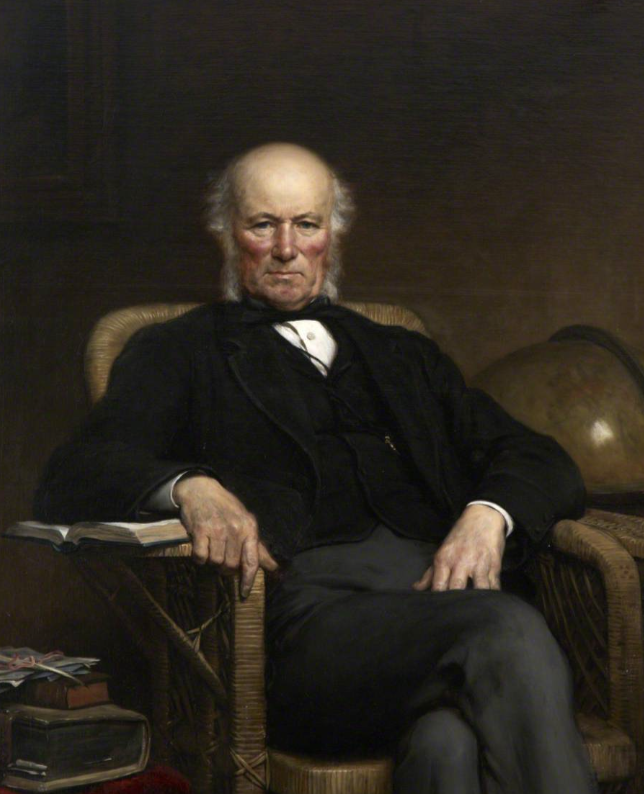
The discoveries at Kents Cavern shook Victorian popular and moral opinion. William Pengelly’s scrupulous excavation records unearthed crucial evidence that helped make Darwin’s theory of evolution the accepted norm. Darwin himself stayed at Hesketh Crescent in Torquay in 1861, writing to Charles Lyell: “I saw Mr Pengelly the other day & was pleased at his enthusiasm.”
Maritime heritage
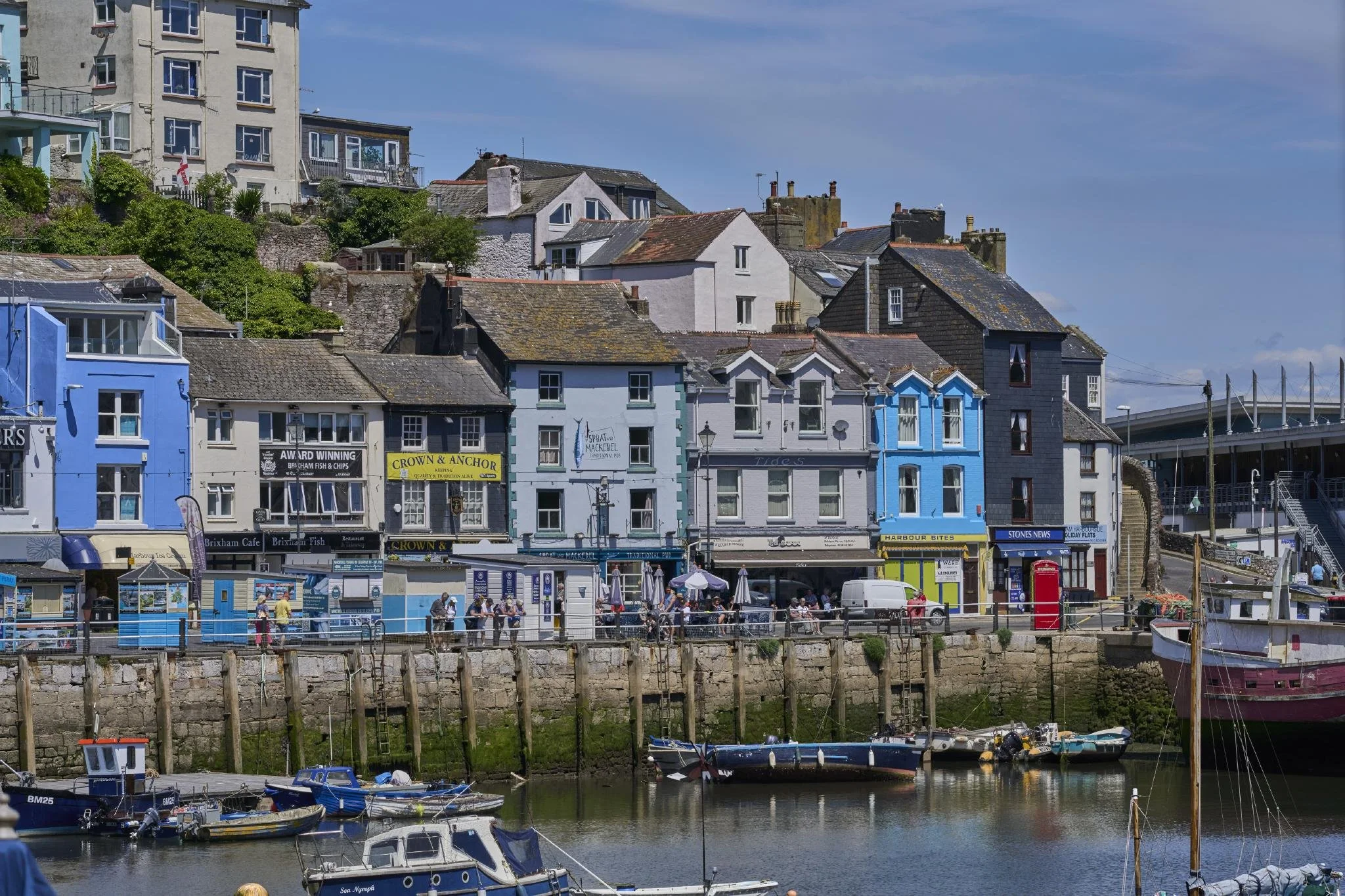
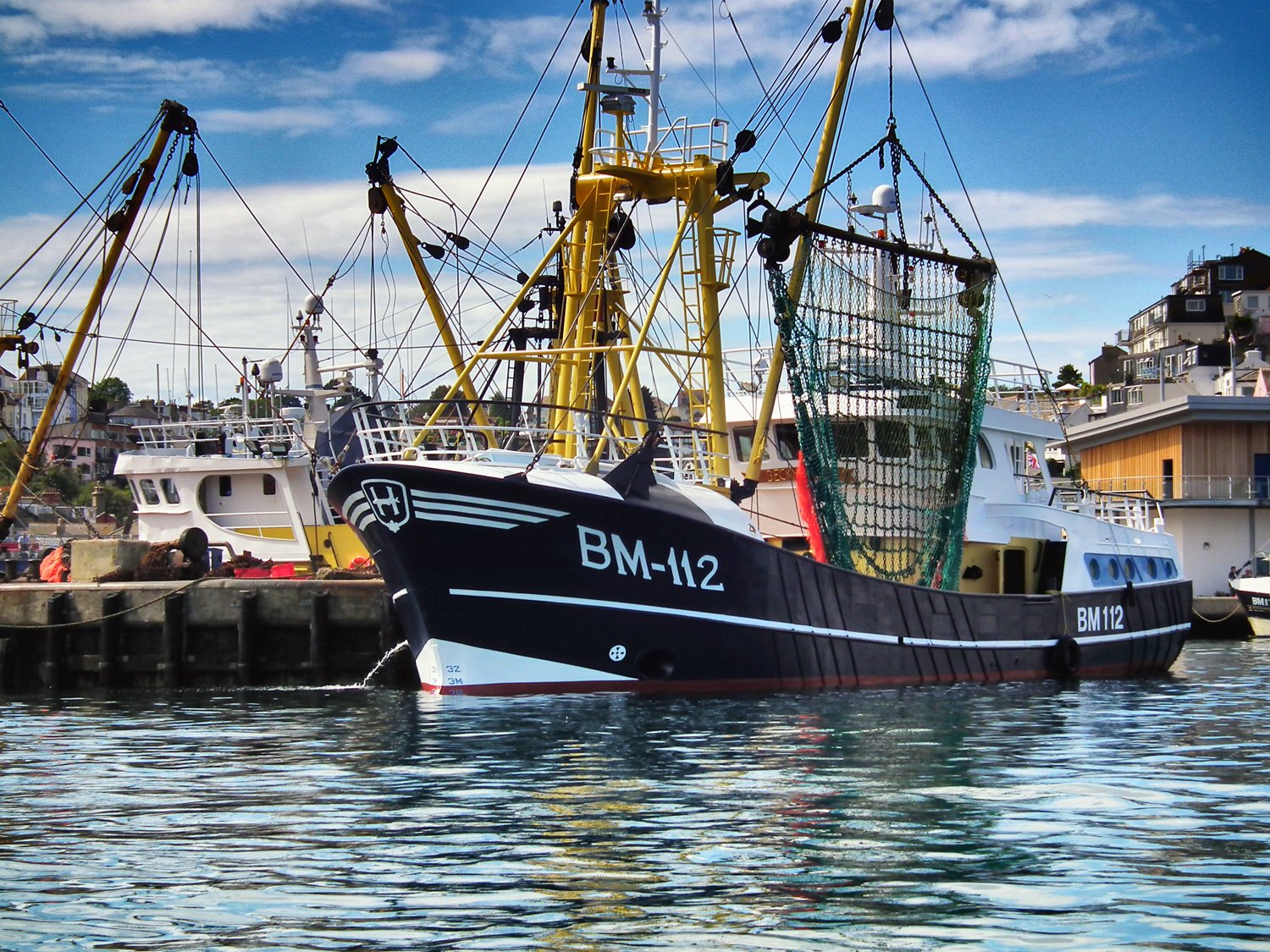
The shape of the Bay creates a safe anchorage. This led to the development of the harbour at Brixham — at one time the largest fishing port in England and the place where deep-sea trawling was pioneered in the UK. It also brought the naval fleet during times of crisis, prompting the construction of the Berry Head forts during the Napoleonic Wars and stimulating the birth of Torquay as a tourist resort.
Built heritage and industry
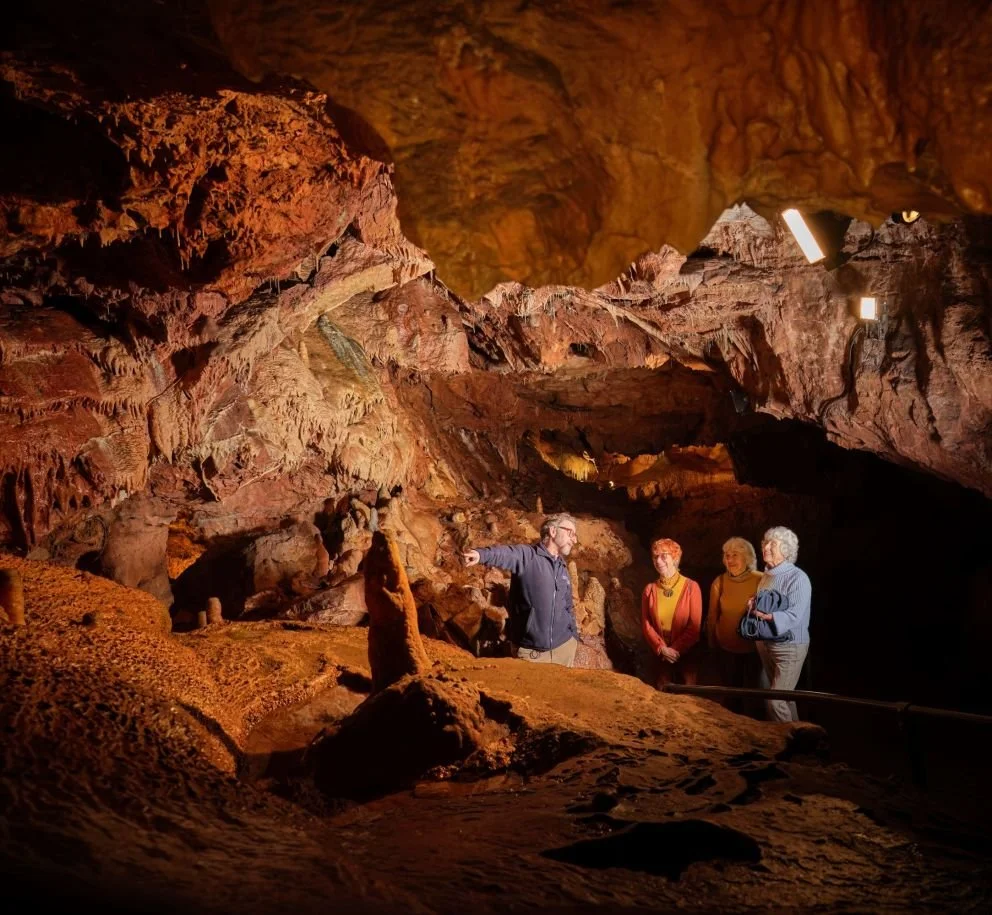
The geology of the Bay has been used since earliest man took up residence in Kents Cavern. Limestone slabs created the Neolithic tomb at Broadsands; Victorian quarries supplied stone for the grand villas and civic buildings that give Torbay its distinct character. The famous ‘Petitor marble’ was in demand as far away as New Zealand, and the Torquay terracotta industry — regarded as the finest in England — exploited deep-red clays from the Permian red-beds.
Early people — and the science that changed the world
The Geopark provides one of the longest records of Ice Age life in Western Europe, and its caves were central to one of science’s great turning points. William Pengelly’s excavations at Brixham Cavern in 1859 gave the first published proof that humans had lived alongside long-extinct animals, and his painstaking, layer-by-layer excavation of Kents Cavern between 1865 and 1880 set new standards for archaeology — revealing tools and bones showing human activity stretching back some 450,000 years, alongside mammoth, woolly rhinoceros, cave lion and cave bear. A human jawbone found in the cavern, dated to around 40,000 years old, remains among the earliest evidence of modern humans in north-west Europe, and is on display at Torquay Museum.