
Nature
Discover
Our spectacular natural environment is the foundation of the Geopark.
Thanks to our geological heritage, the English Riviera is home to a range of habitats which support a biodiverse population of wildlife. Explore our beaches and coast, ancient woodland, limestone grassland and fields to make the most of our great outdoors.
Some key facts
The area is classified as a “Prime Biodiversity Area”, one of 120 across the country.
There are 12 nationally important Sites of Special Scientific Interest (SSSI) in the Geopark.
10% of the national population of cirl buntings breed in the Geopark.
The waters of Tor Bay are designated a Sensitive Marine Area; 77% of the coastline is designated as SSSI or County Wildlife Site.
Ten nationally rare plant species are found in the Geopark and 28 nationally scarce species.
Despite its mainly urban character, 46% of the Geopark is undeveloped.
Special Species
The English Riviera is home to an incredible variety of wildlife, including rare plants and protected marine life.
-
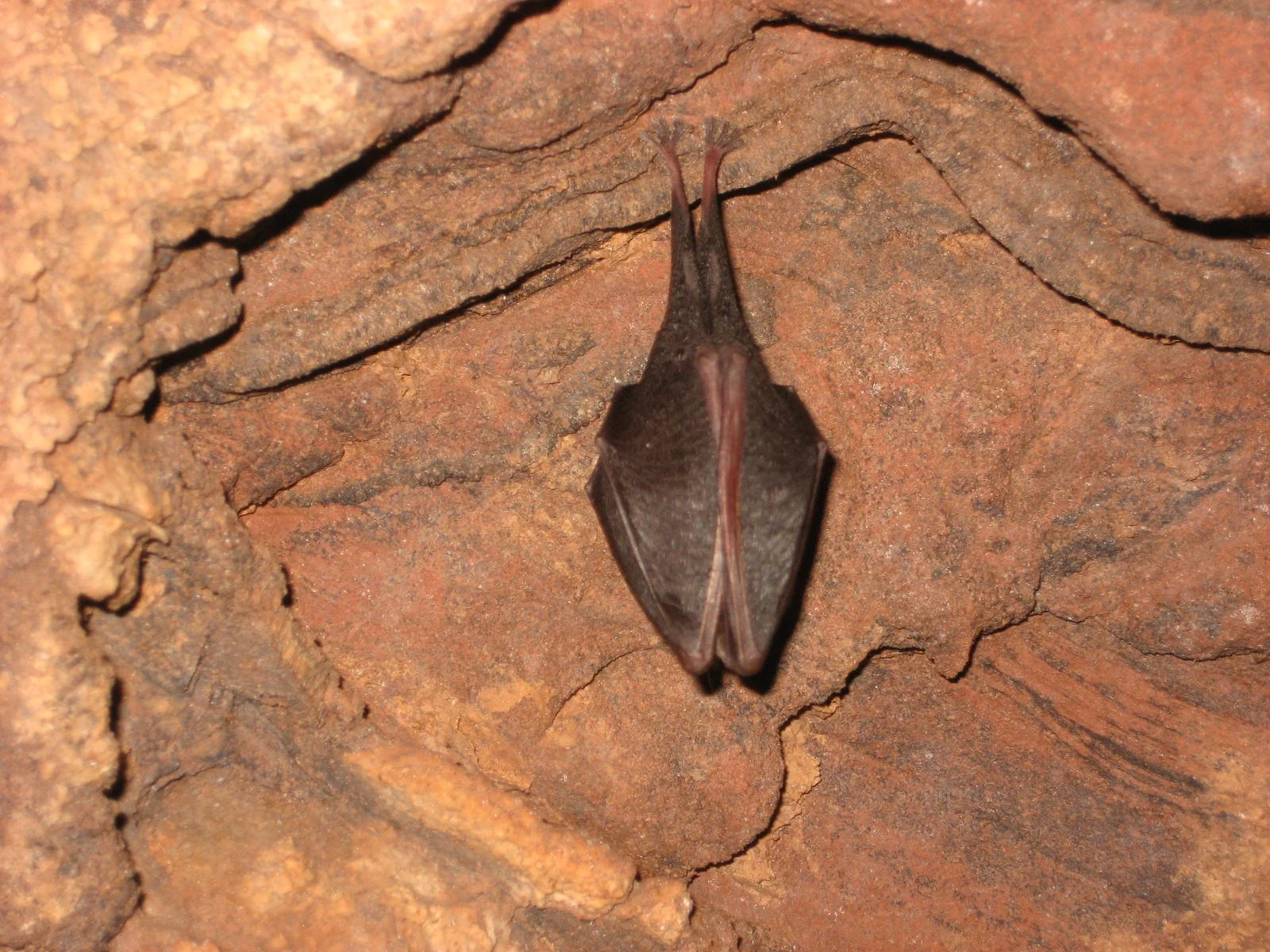
Greater horseshoe bat
At Berry Head we are extremely privileged to have a colony of one of Britain’s largest bats roosting in caves in the limestone quarry.
-
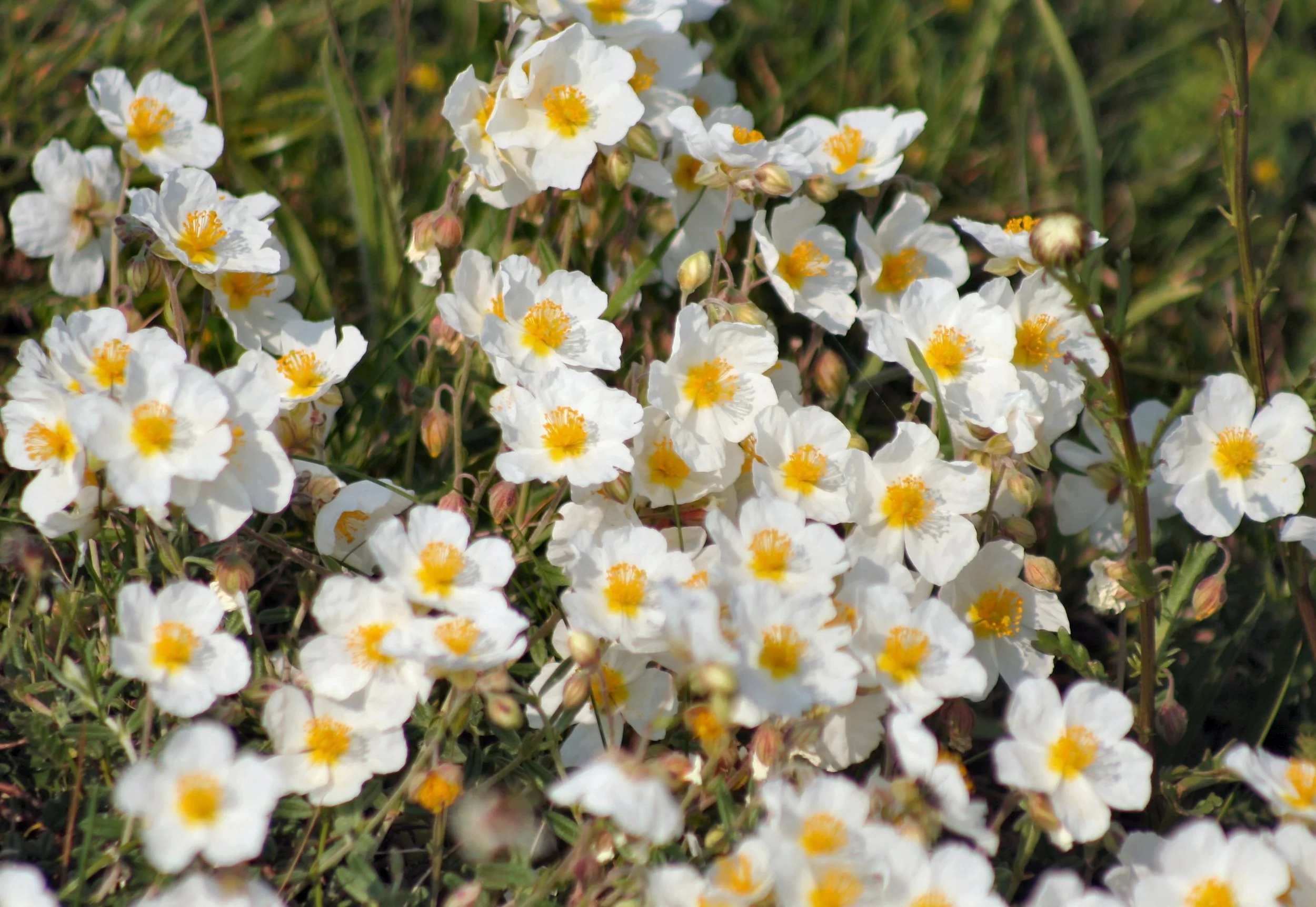
White rock-rose
Confined in the UK to limestone at Brean Down in Somerset and the Devonian limestone of Torbay, where it grows at Berry Head, Wall’s Hill and Daddyhole.
-
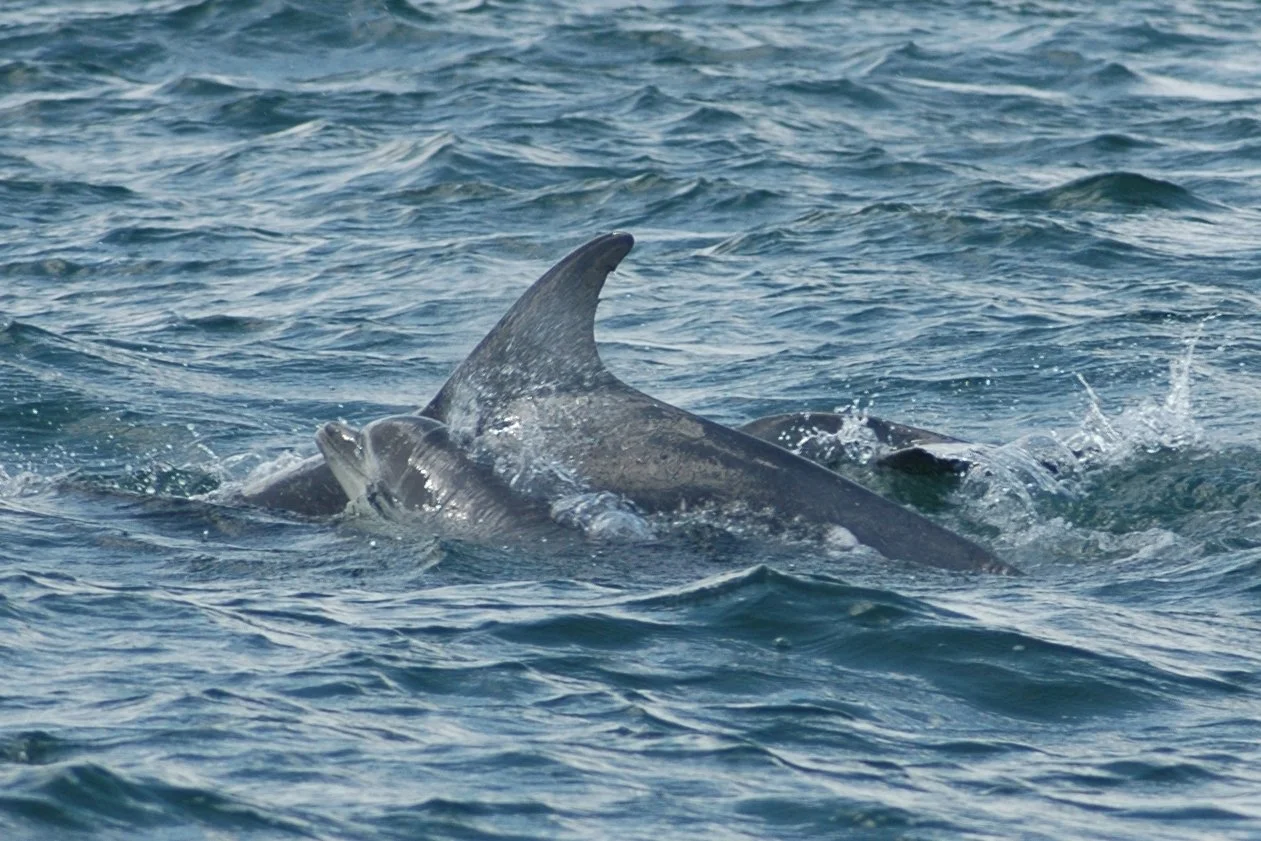
Dolphins, porpoises and basking sharks
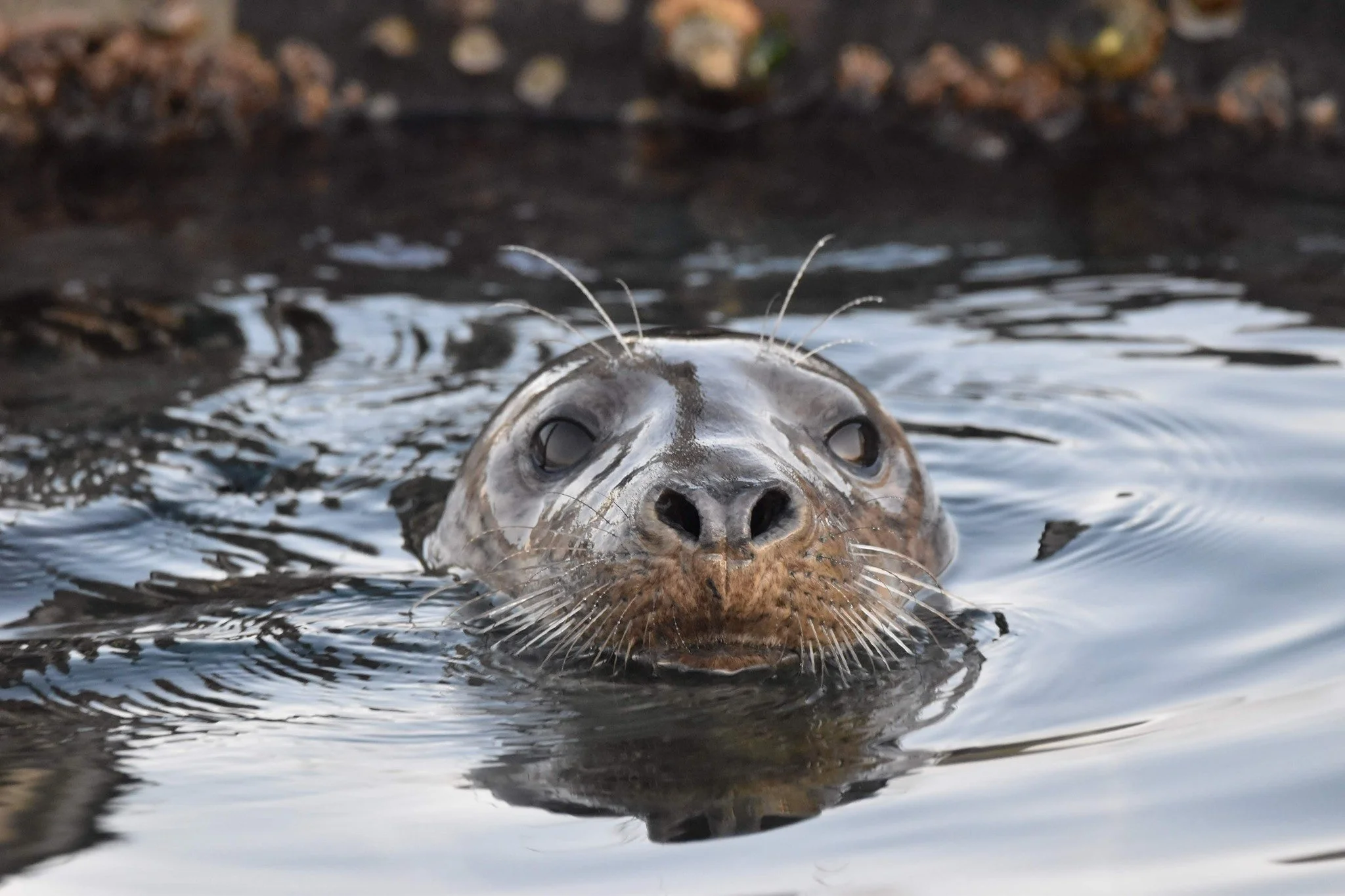
A pod of up to 50 bottlenose dolphins ranges along the South Devon coast and regularly visits Torbay; harbour porpoises, basking sharks and grey seals can also be seen in the Bay.
-
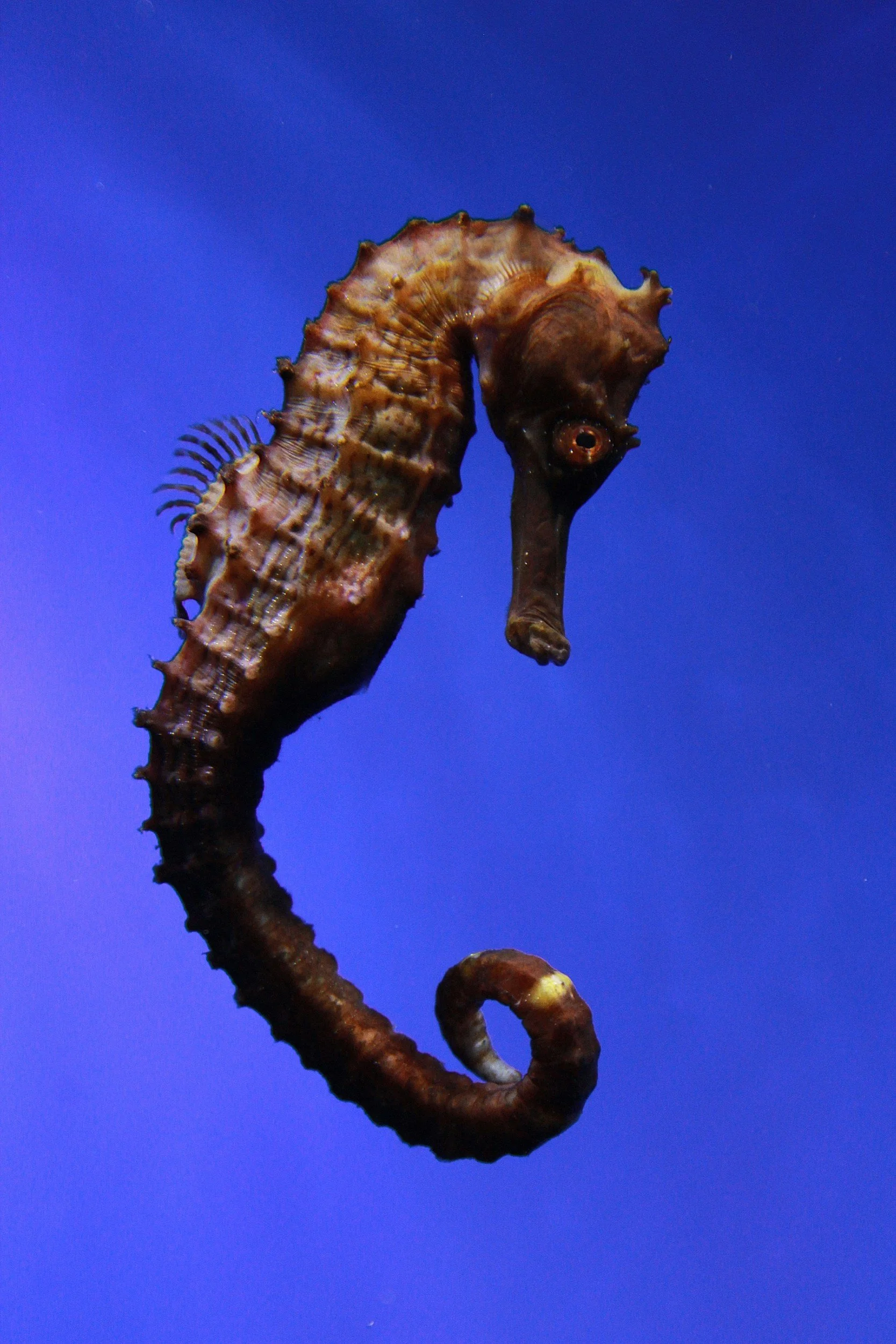
Long-snouted seahorse
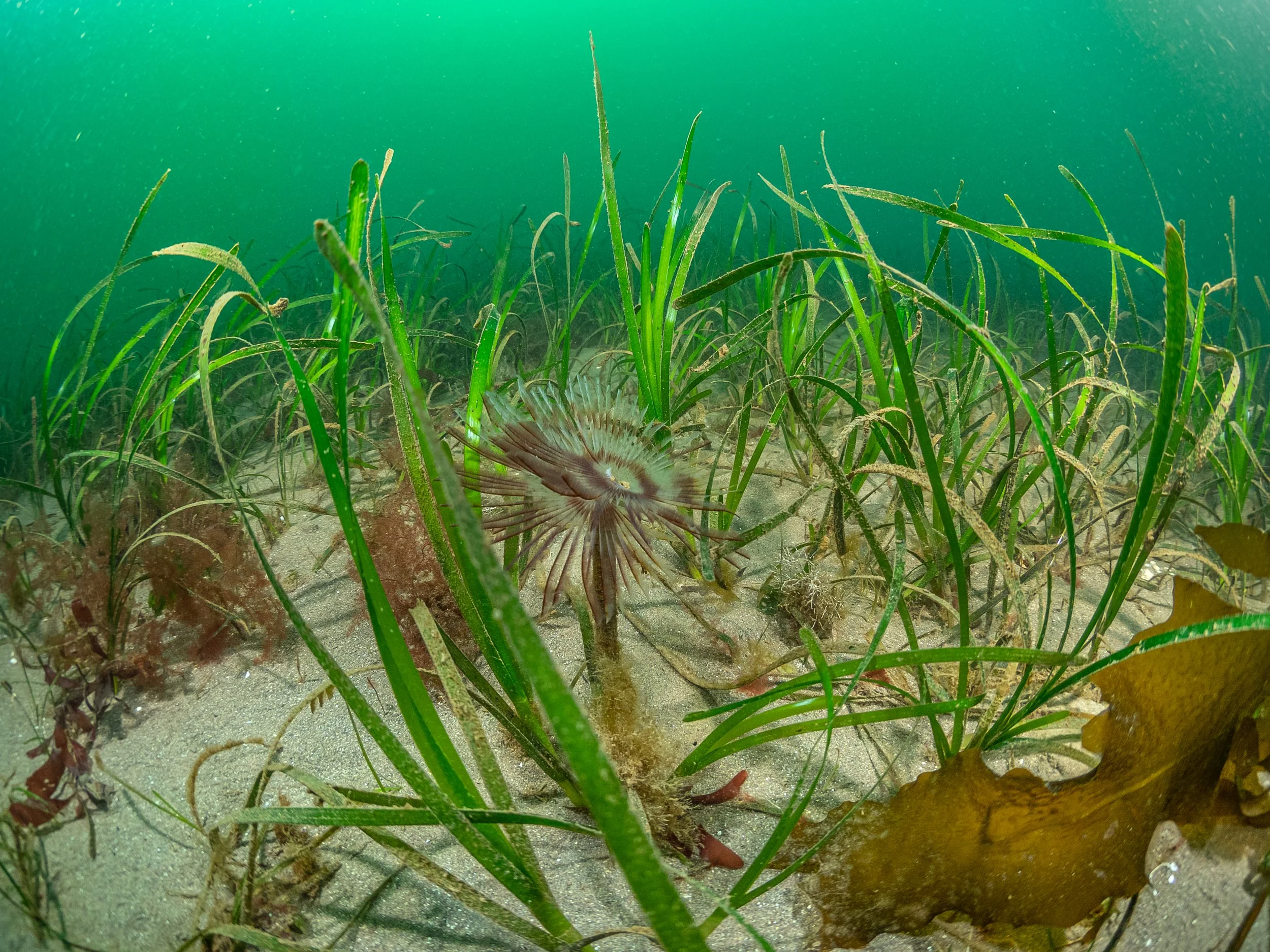
This nationally rare species inhabits the seagrass beds protected within the Torbay Marine Conservation Zone.
Marine designations
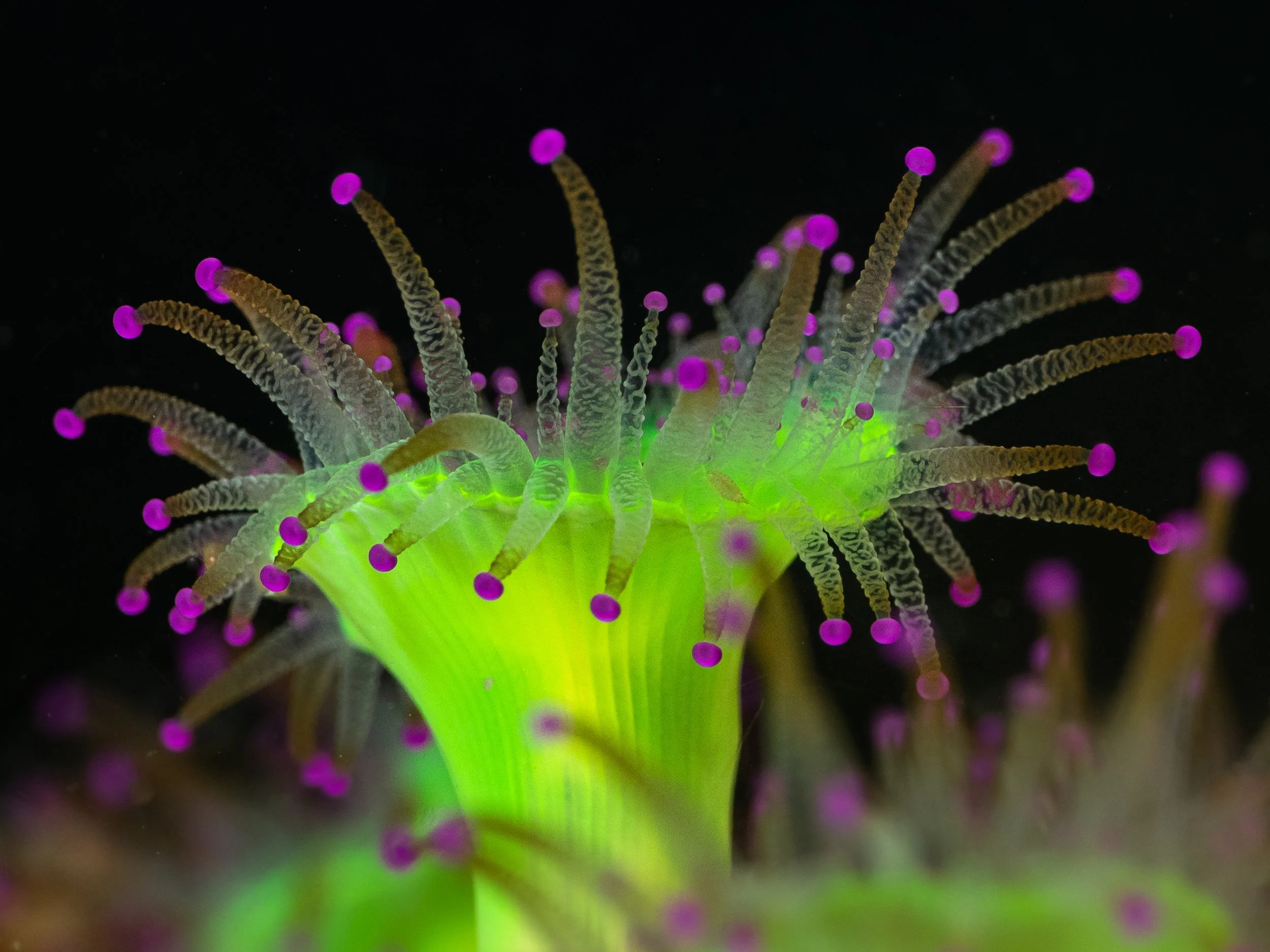
The marine environment of Tor Bay is so special it is protected by two international designations. The Lyme Bay and Torbay Special Area of Conservation (SAC) protects reefs and 85 sea caves of international importance, home to delicate sponges, bryozoan crusts, pink sea fingers, anemones and cup corals. The Torbay Marine Conservation Zone (MCZ), designated in November 2013, covers approximately 20 km² between Oddicombe Beach and Sharkham Point, protecting habitats from muddy sands with heart urchins and brittle stars to seagrass meadows that shelter seahorses, pipefish, bass and cuttlefish — and act as an important carbon sink.
Continue to Beaches & Coast for where to experience it all.