
Places
Discover
Three towns, one dramatic coastline — the communities and businesses that make this a living, working Geopark.

Gateway sites
Dotted throughout the towns and coastline in the English Riviera are several key sites with a strong Geopark focus.
-
Kents Cavern, Torquay
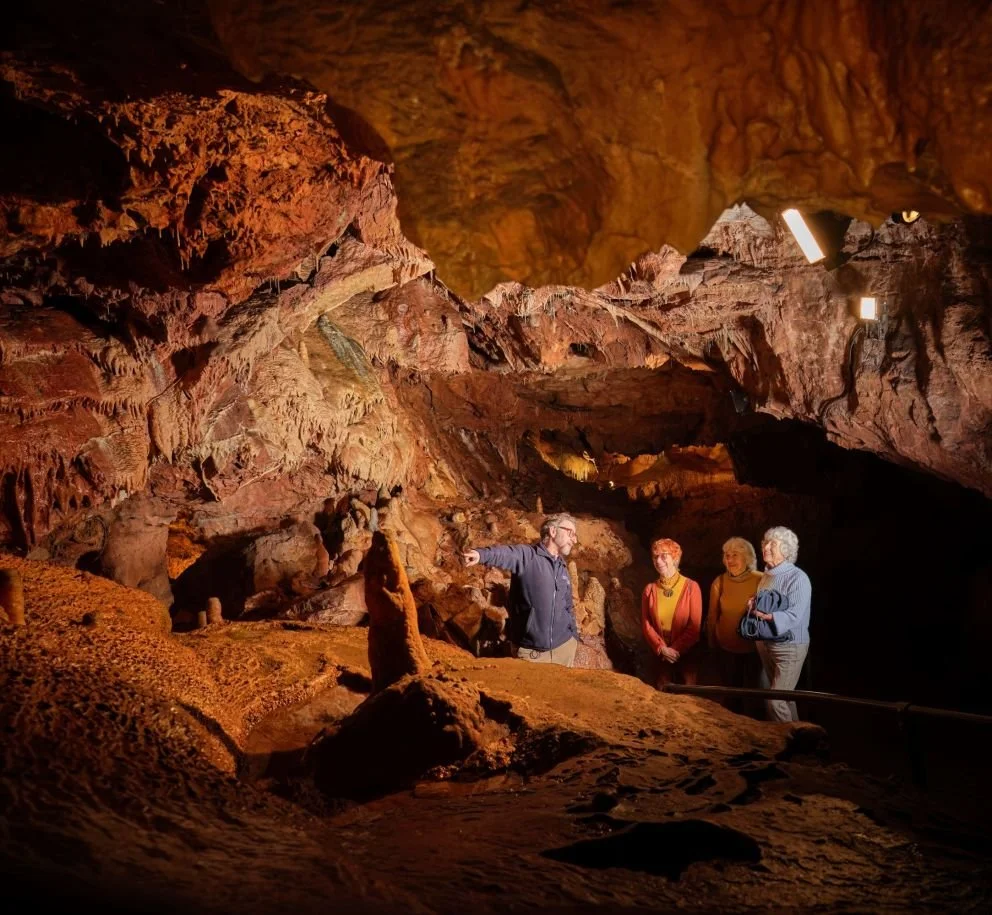
This prehistoric cave network is one of the most important Stone Age sites in Europe. There is a record of ancient human occupation going back 500,000 years. The caves — open for guided tours all year — are a protected national monument and a site of special scientific interest.
-
Torquay Museum
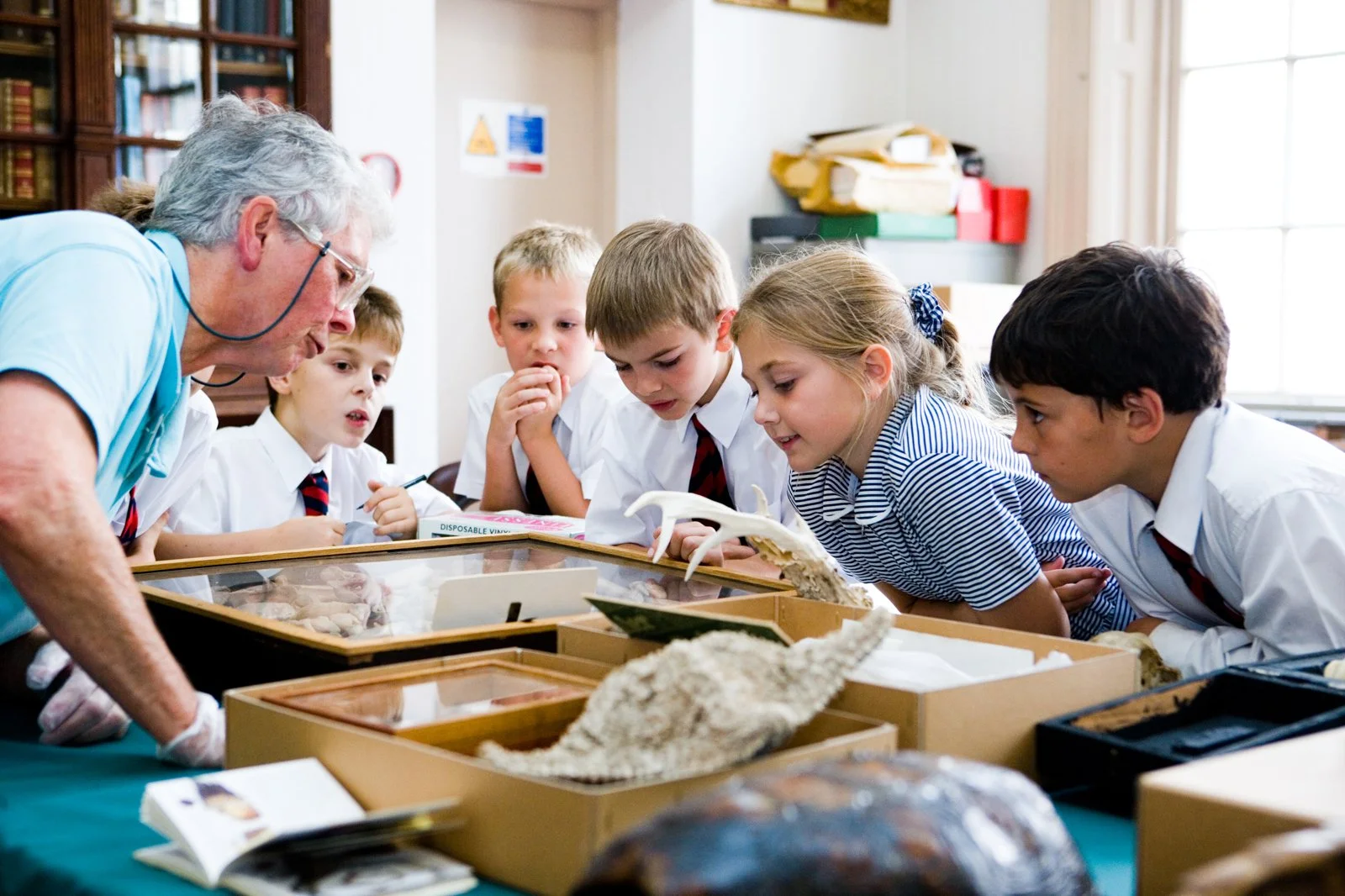
The museum works with the English Riviera Geopark Organisation (ERGO), developing projects to celebrate and explore our incredible environment. There are trails, activities and displays, including rocks and fossils that chart the early history of South Devon.
-

Torre Abbey
Established in 1196, Torre Abbey is the Geopark’s most important building in heritage terms. This museum, art gallery and Ancient Scheduled Monument is set within 18-acres of gardens. You can follow the Living Fossil Trail around Torre Abbey gardens.
-
Brixham Heritage Museum
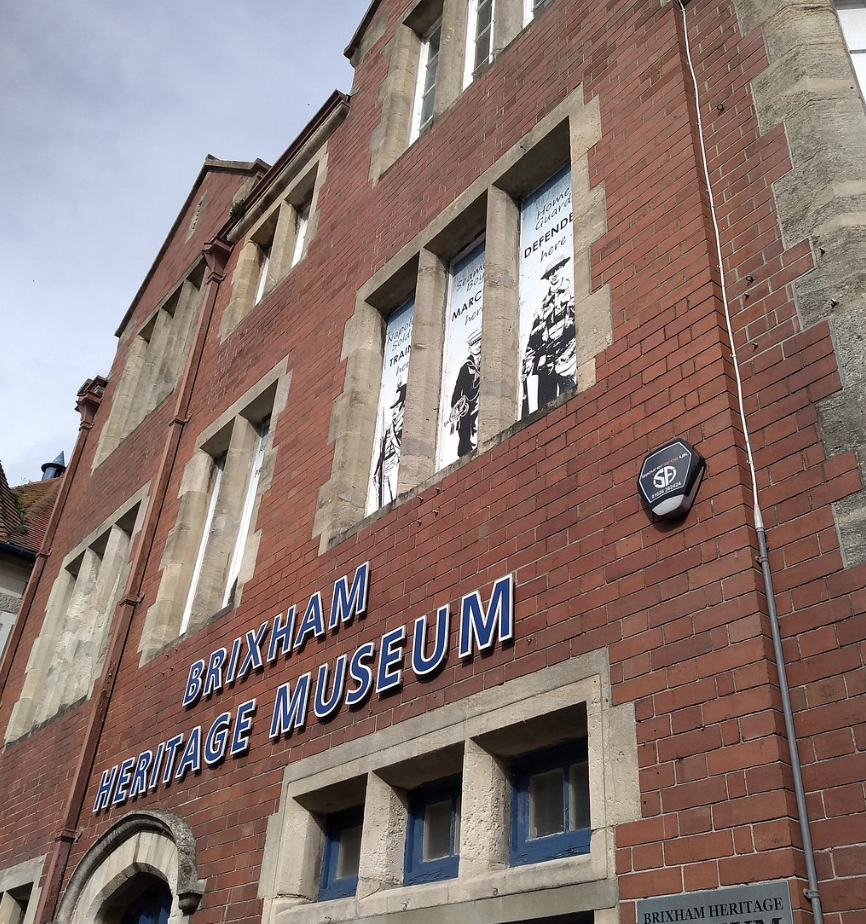
The museum’s collection holds over 10,000 objects, with displays on the area’s geology and Neolithic past. A library and archive are available to researchers by appointment. Educational programmes include school visits, family activities and guided tours.
-
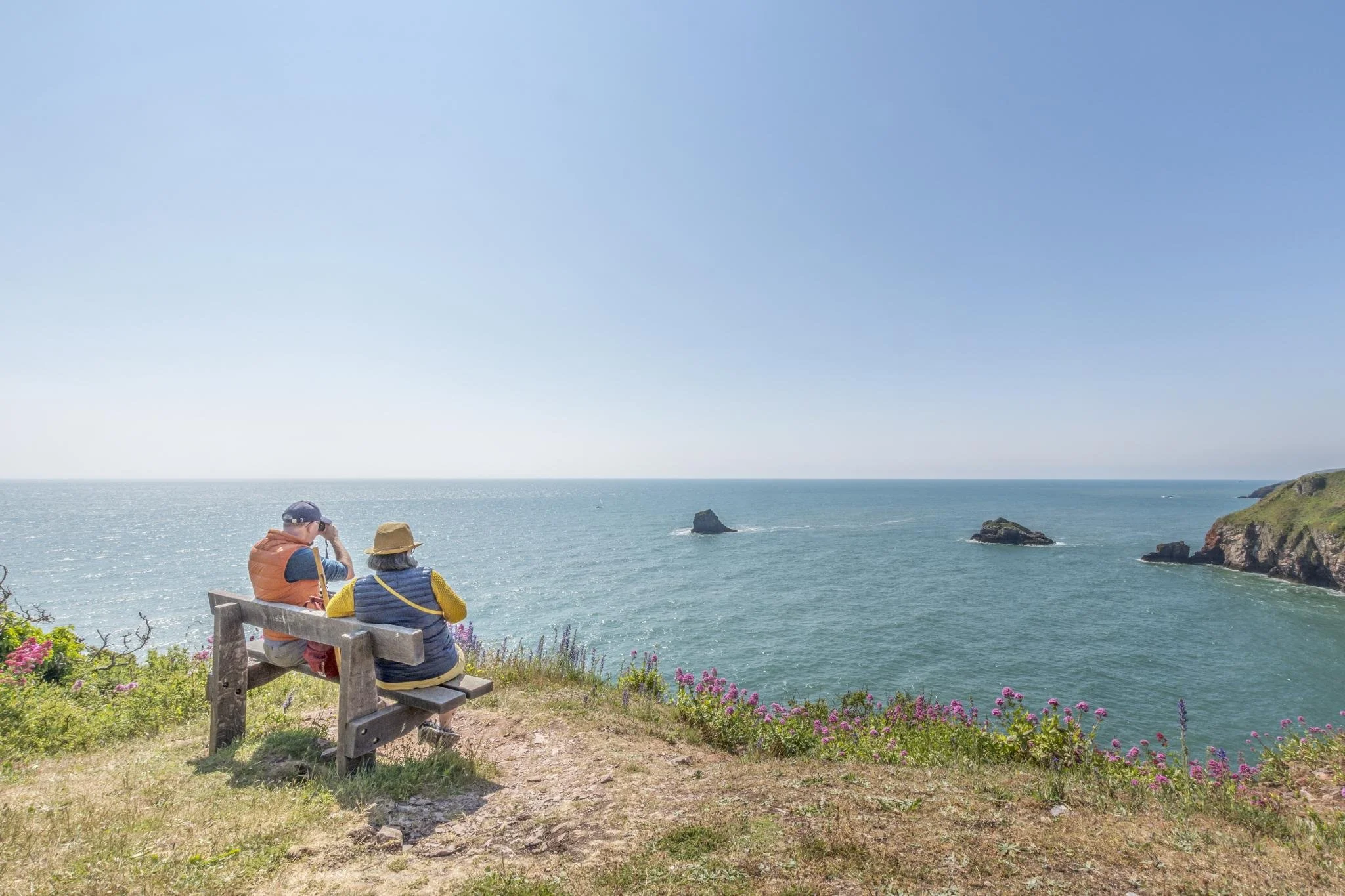
Berry Head Nature Reserve, Brixham
Nature meets geology at this nature reserve and Site of Special Scientific Interest (SSSI), perched high on 200ft Devonian limestone cliffs. The headland is surrounded by water on three sides and offers breathtaking views over Tor Bay. You’ll also see Napoleonic War fortifications and diverse flora and fauna.
-

Cockington Court and Country Park, Torquay
Historic Cockington Court is a creative hub, set within 450 acres of parkland. There’s a grade II listed, 16th century manor house, plus artist and maker studios and workshops, all within easy walking distance of the beautiful thatched village of Cockington.
-
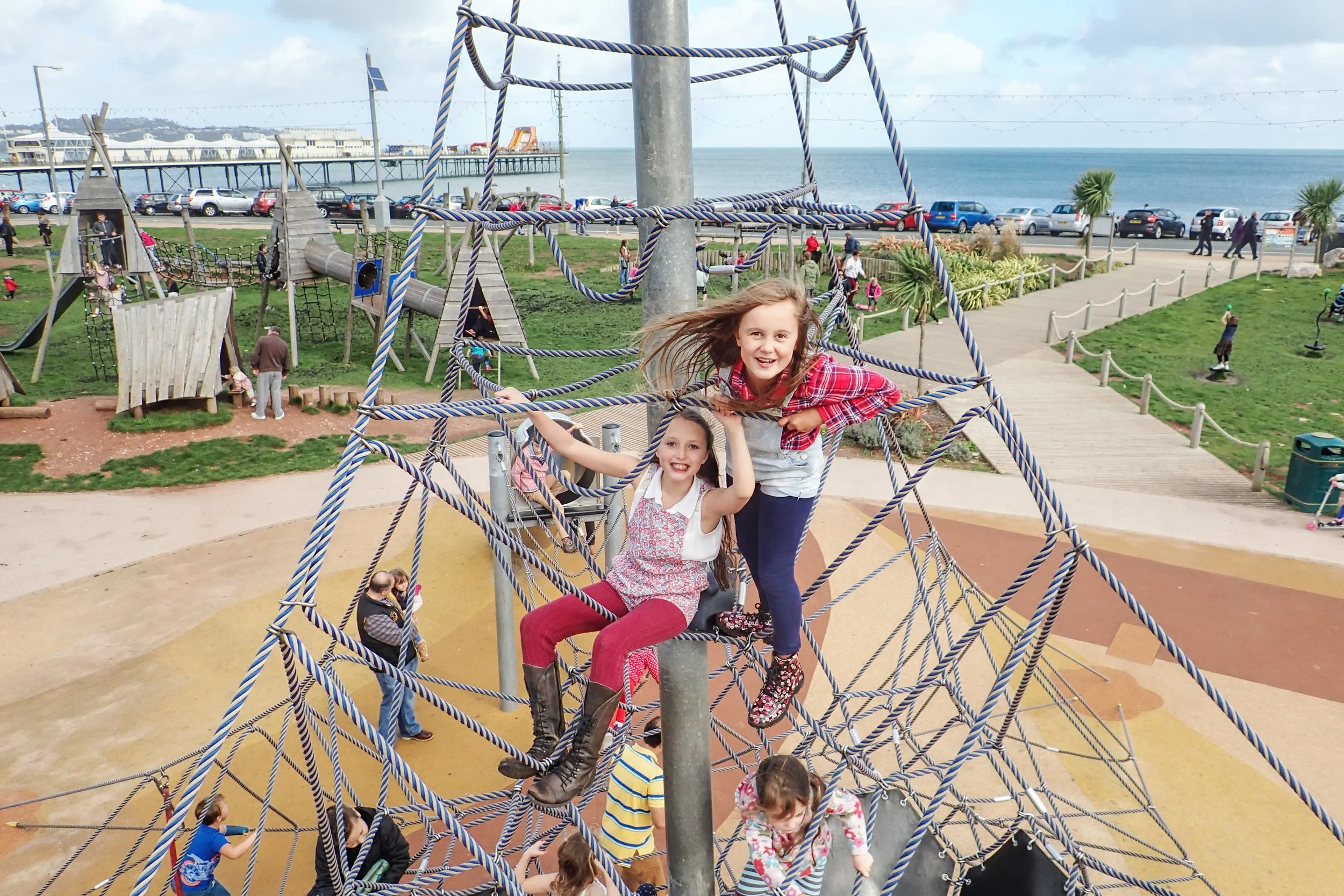
Geoplay Park, Paignton
This amazing free attraction and key Geopark site is right on Paignton’s seafront and is great for kids of all ages. The different zones have a connection to different geological periods. Key highlights include a giant climbing net and a purpose-built water channel.
-
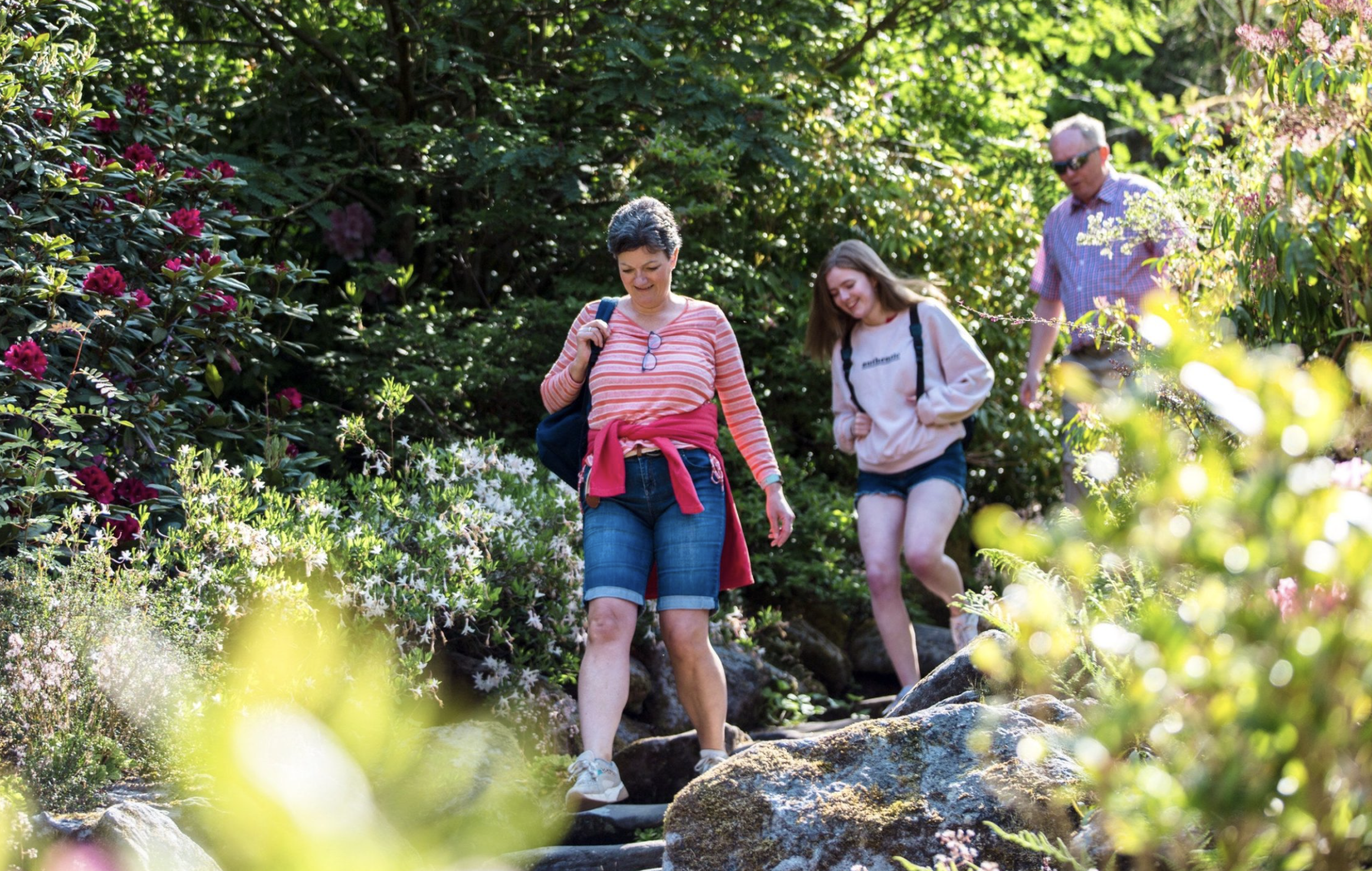
Royal Terrace Gardens and Rock Walk, Torquay
These landscaped gardens on the cliff face above Torquay seafront offer stunning sea views. There’s also an illuminated staircase and viewing platform.
Despite its incredible geology, the English Riviera is much more than just rocks. The thriving seaside destination has three towns — Torquay, Brixham and Paignton — situated along the dramatic coastline. It’s the communities and businesses in these places that make this a living, working Geopark with lots to explore.
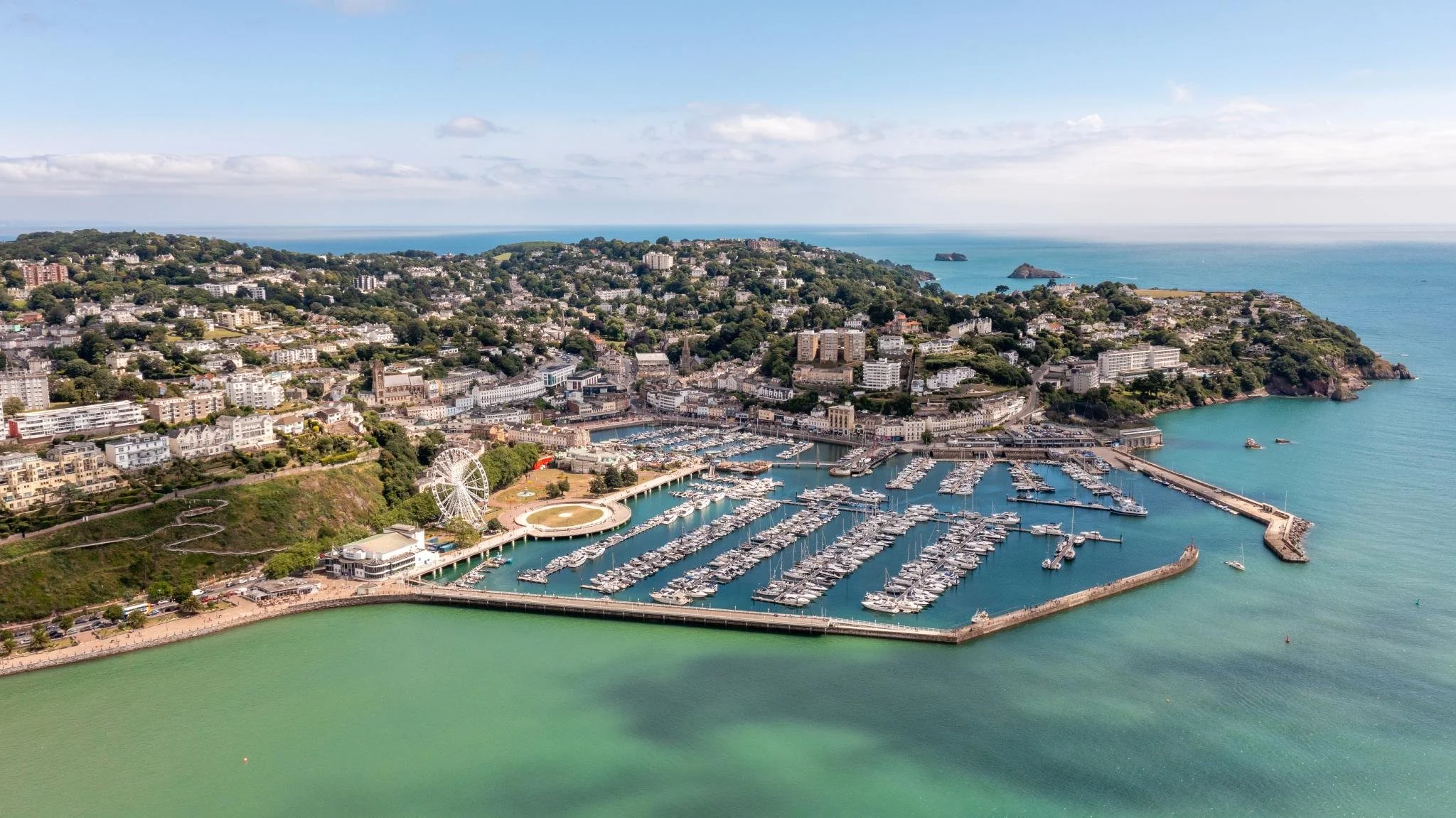

Take time out in Torquay
There’s nowhere better to be beside the seaside. Once the playground of the Victorian gentry, Torquay has plenty of traditional charm, including beautiful sandy beaches, palm trees and an all-year-round holiday atmosphere. Torquay is also moving with the times. There’s been significant investment in recent years with the promise of more to come, all designed to showcase the town’s enviable location, heritage and culture.
-
Torquay is the birthplace of the best-selling novelist Dame Agatha Christie. Walk the Agatha Christie Mile and visit the Agatha Christie Gallery in Torquay Museum. There’s also a statue of the much-loved crime writer and her beloved dog, Peter, on the recently revamped harbourside.
Stroll along the seafront, including the pier and beautifully manicured Princess Gardens.
Head to Babbacombe Downs and enjoy a ride on the famous cliff railway down to Oddicombe Beach.

Enjoy Brixham
This colourful fishing town is the birthplace of trawling and fiercely proud of its maritime heritage. In fact, Brixham remains one of the most important fishing ports in England and Wales (in terms of value of catch landed) and the harbour is home to the largest fleet of trawlers in the UK. You can waste hours on the harbourside, watching the boats go in and out while making the most of the area’s restaurants, cafes and shops. And keep an eye out for the resident seals enjoying a spot of sunbathing on the breakwater. They do love a pirate here, too.
-
Berry Head is a spectacularly located nature reserve and heritage site, perched on 200ft Devonian limestone cliffs. The headland is surrounded by water on three sides and offers breathtaking views over Tor Bay. If you’re really lucky, you might spot a porpoise or two.
Delve back through the ages at the community-run Brixham Heritage Museum, housed in the town’s former police station.
Shoalstone seawater pool is right on Brixham’s sea front. Built into a natural rockpool, this cold-water swimmers’ favourite has been popular for bathing since Victorian times.

Visit Paignton
It’s easy to see why crowds of holidaymakers flock here year after year. Paignton’s sheltered sandy beaches and award-winning pier have attracted generations of visitors looking for a classic seaside break. The distinctive Permian red sandstone cliffs along much of its coastline make it an instantly recognisable part of the Geopark. Much like its neighbour Torquay, the town has been the subject of a lengthy investment programme. The seafront has been improved and there are long-term plans to regenerate other areas of town, including the 18th century harbour — still much used today.
-
Go on an adventure in the Geoplay Park. This amazing free attraction and key Geopark site is right on Paignton’s seafront and is great for kids of all ages. The different zones each have a connection to different geological periods. Key highlights include a giant climbing net and a purpose-built water channel.
Take a stroll through Old Paignton, looking carefully at the rocks used in its buildings and then those on the seafront. Geological features include Permian sandstones and breccias, and Devonian limestone blocks containing fossils.
Walk along the Paignton Town Geology Trail
Don’t miss the small but perfectly formed Paignton Harbour. Often overlooked by tourists and even some locals, the area is enjoying something of a resurgence lately. The harbour — which dries out at low tide — has about 70 moorings and is mainly used by day-trippers and local boats, as well as some crabbing vessels.